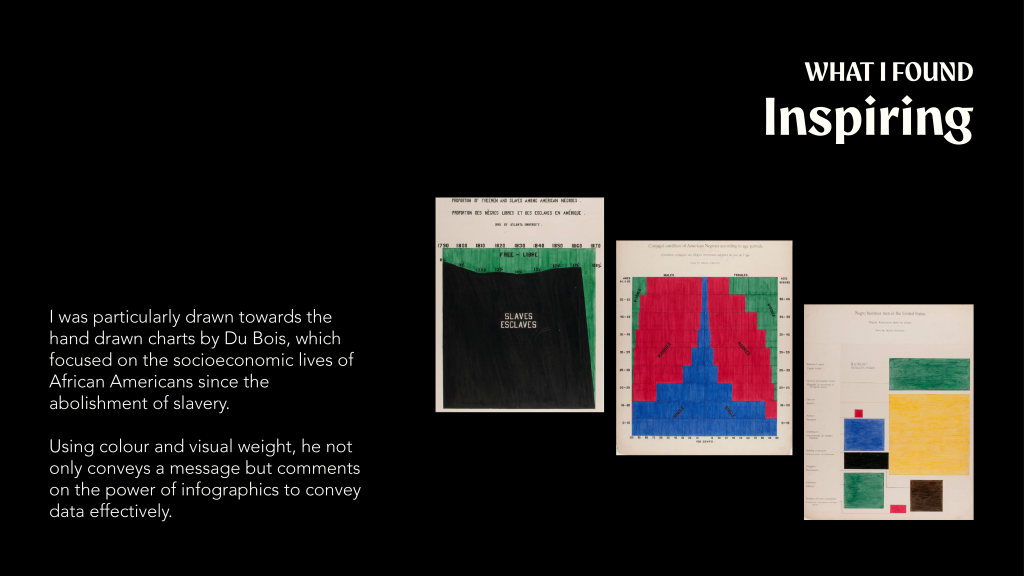
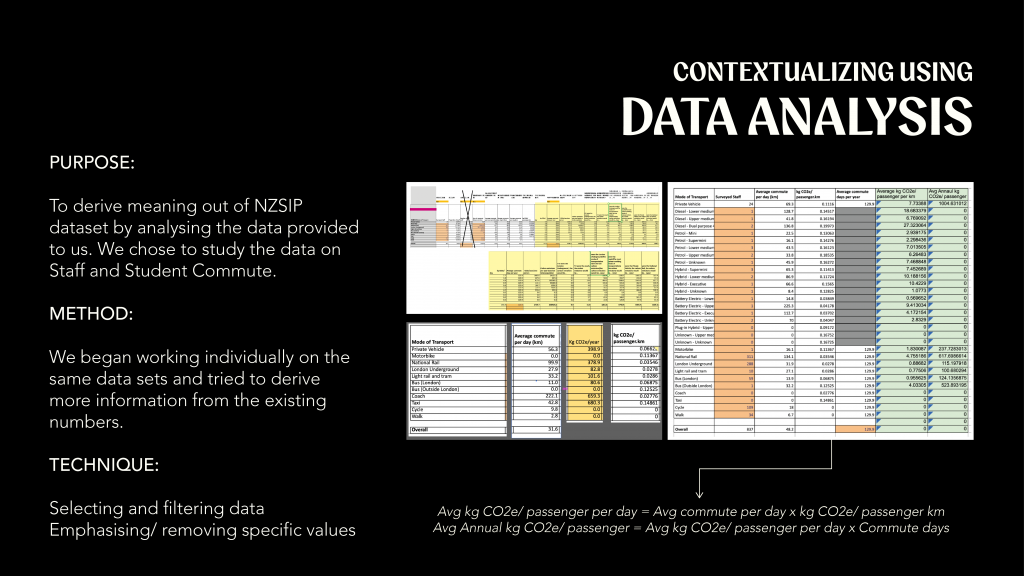
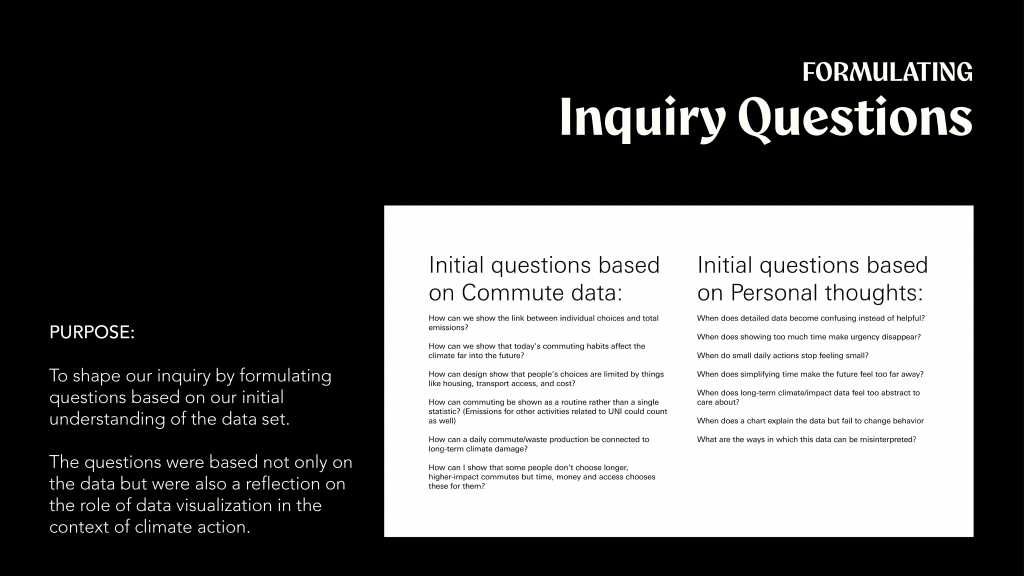
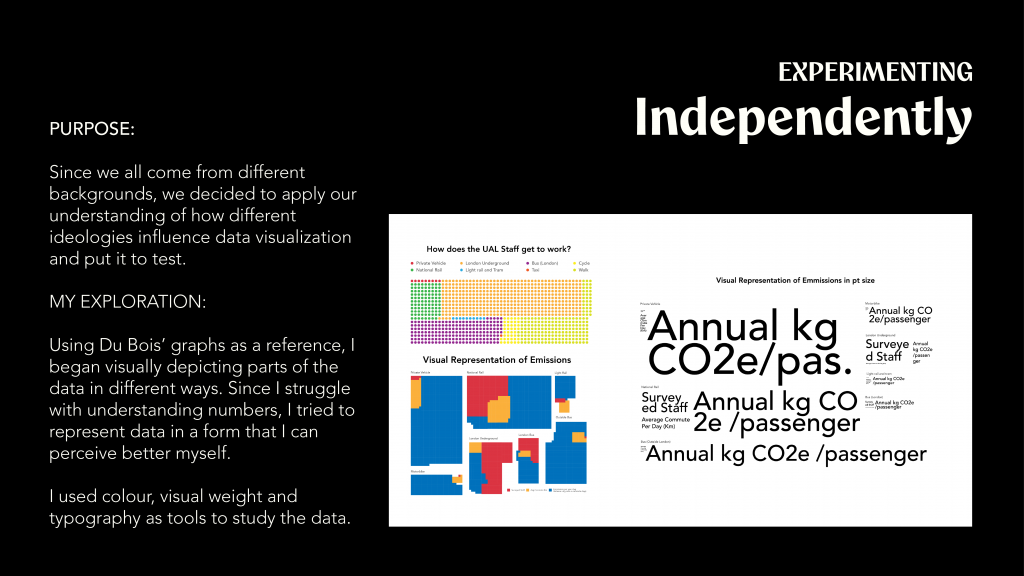
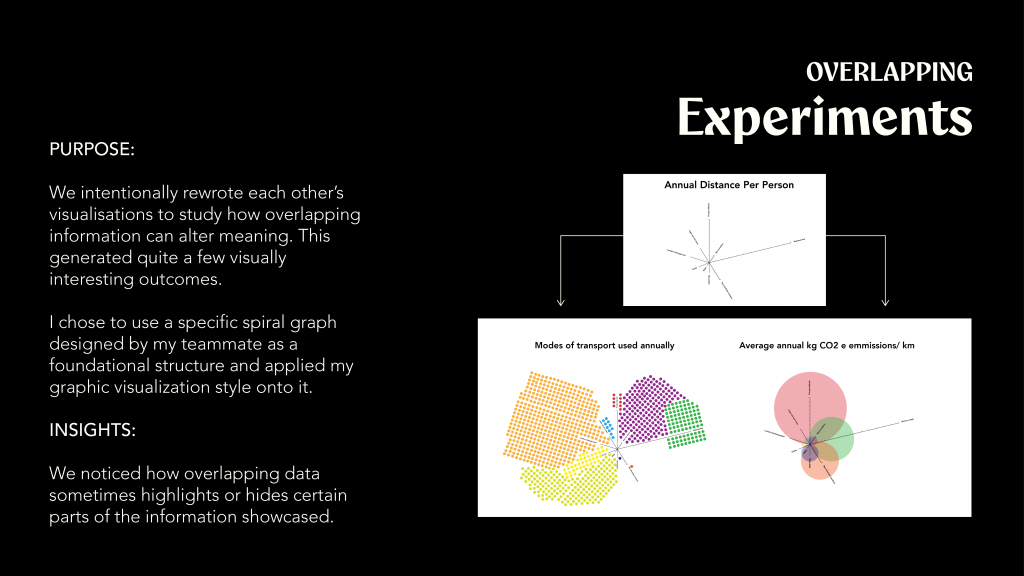
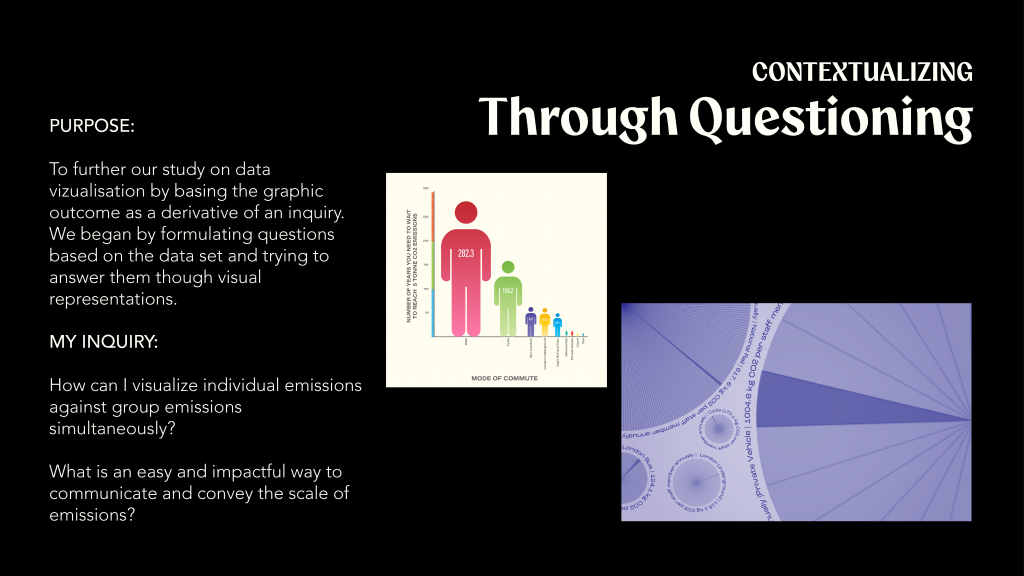
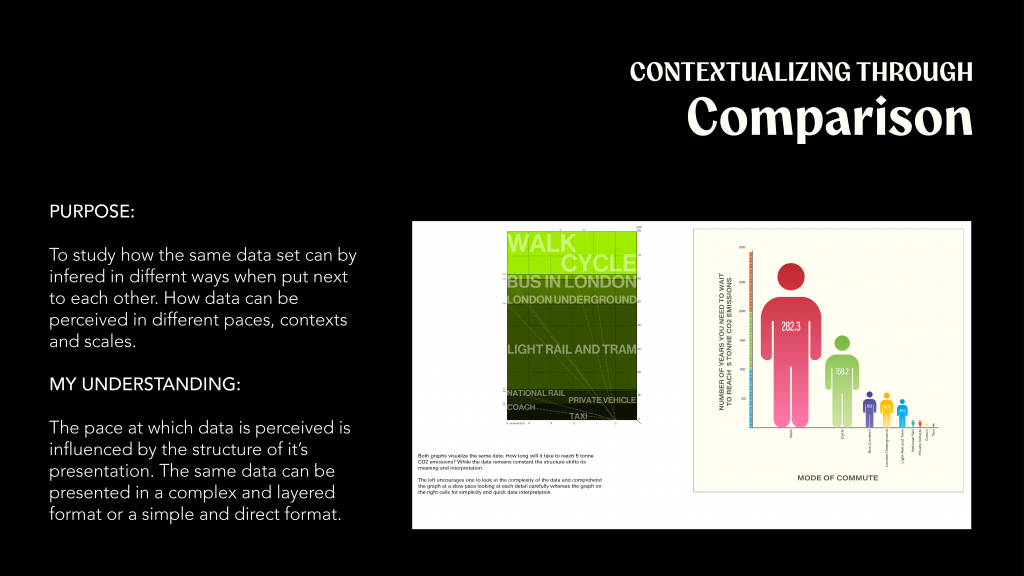
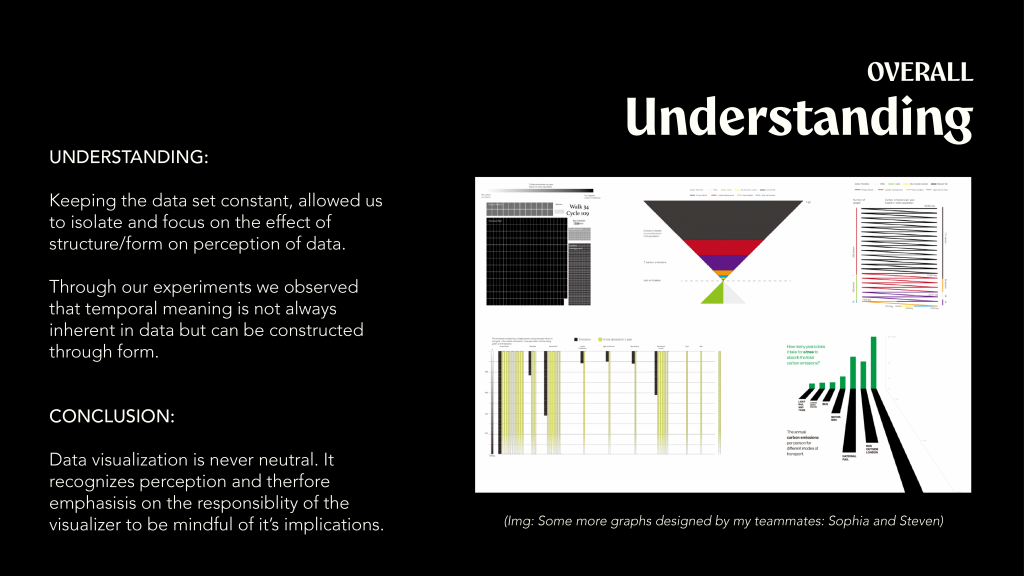
I chose to reitterate the content of Ian Lynam’s article titled “Why We Should Really Be Concerned About the Visual Identity for the Tokyo Olympics.”1 in the form of a descriptive and imaginary city fashioned after those in the book Invisible Cities by Italo Calvino2.
Cities & Structures
IN THE CITY of Olympia, people awaken beneath banners that are void of meaning. The walls, the workers’ uniforms, the tickets are decorated with patterns that have a purpose but no intent. Olympia hums a tune with no rhythm.
The architects who laid the foundations for the city once dreamed of clarity. A city free from the labyrinth of ornamentalism and far away from what it used to be. A rebellion so strong that every signboard, crown and path was to be replaced with a series of simple shapes. A brand new engineering of order where every facade spoke of purpose and every line had meaning.
The rebuilding of the city was not about making it look better but was about finding deep meaning through the journey of making it.
Years passed and the ancestors moved on to the higher realms, leaving generation after generation to keep the spirit of this journey alive. Systems turned into intutions, form and content moved away from each other and the vision for the city became less modular. Thousands worked day and night to build the city in hopes of leaving marks for their generations to come, but in vain. The city that was meant to be built together with coherence and respect was reduced to a competition of power and labour. The leaders only dreamt to build a beautiful city: brilliant, triumphant, hollow.
Today, dwellers of the city walk alongside walls covered in excellently drawn shapes and symbols that are void of language. Every dawn when the flag of the city is unfurled at the townhall, people gather in large numbers to witness the glory of a charming flag fluttering in the wind without a mast.
Citations:
1. Lynam, I. (2015). Why We Should Really Be Concerned About the Visual Identity for the Tokyo Olympics. [online] Medium. Available at: https://medium.com/@ianlynam/why-we-should-really-be-concerned-about-the-visual-identity-for-the-tokyo-olympics-969830d0e819 [Accessed 12 Nov. 2025].
2. Calvino, I. (1972). Invisible Cities. London Vintage.
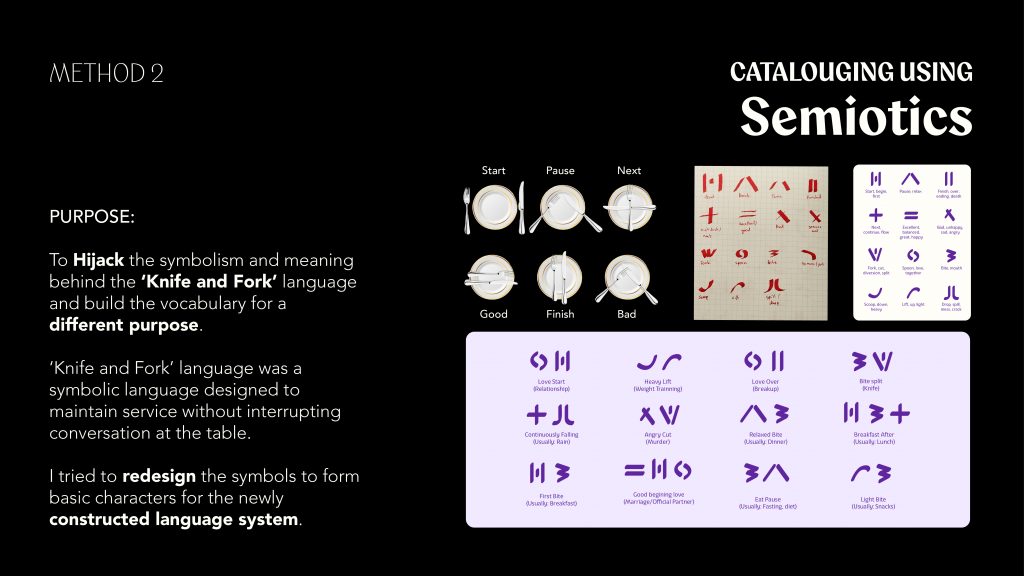
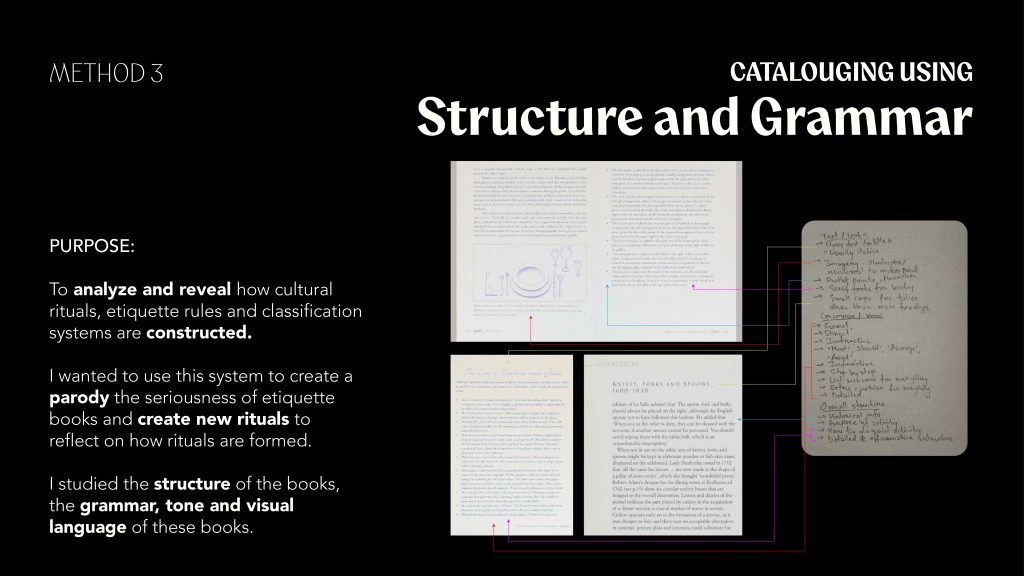
Italo Calvino in his book, Invisible Cities1, describes the city of Tamara as a melange of symbolisms. He constructs a vivid imagery of the city being shielded by its unusual use of symbols and signages that distract and barricade its visitors from truly understanding the reality of Tamara.

The catalogue I created in response to this seeks to mirror and extend Calvino’s semiotic world-building. It introduces time as an interpretive layer to emphasize that Tamara’s signage is shaped by historical processes and human repetition.
While signs forbid people to enter alleys with wagons or urinate behind kiosks, the signs themselves symbolize the conception of law and order in the city or the desire of people to engage in disruptive or deviant activities. Signs representing other things evolve into symbols that reflect the temperament and legacy left behind by the citizens and visitors of Tamara over many years.

In this way, Tamara exists simultaneously as a city of signs and a temporal archive. Its symbols not only communicate instructions or warnings but preserve a history of human interaction while guiding future interpretations.
Note: This is not a note but a symbol of the idea of completion of the written prompt.
My ongoing exploratory project titledThe Elmen Whispers and Other Tales shares conceptual common grounds with Georges Perec’s essays from Species of Spaces and Other Pieces 1 and Sophie Calle’s photographic project Suite Vénitienne 2.
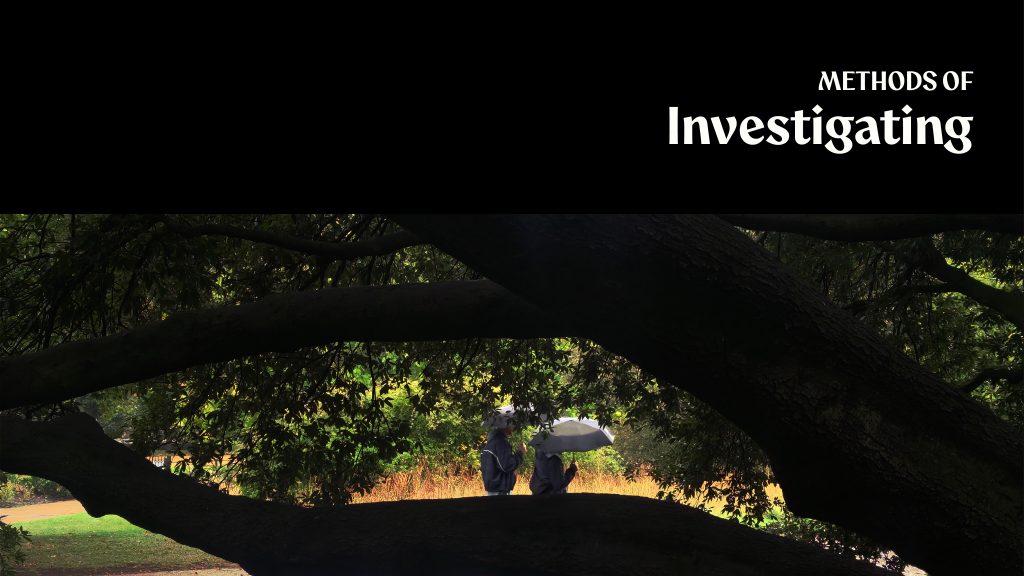
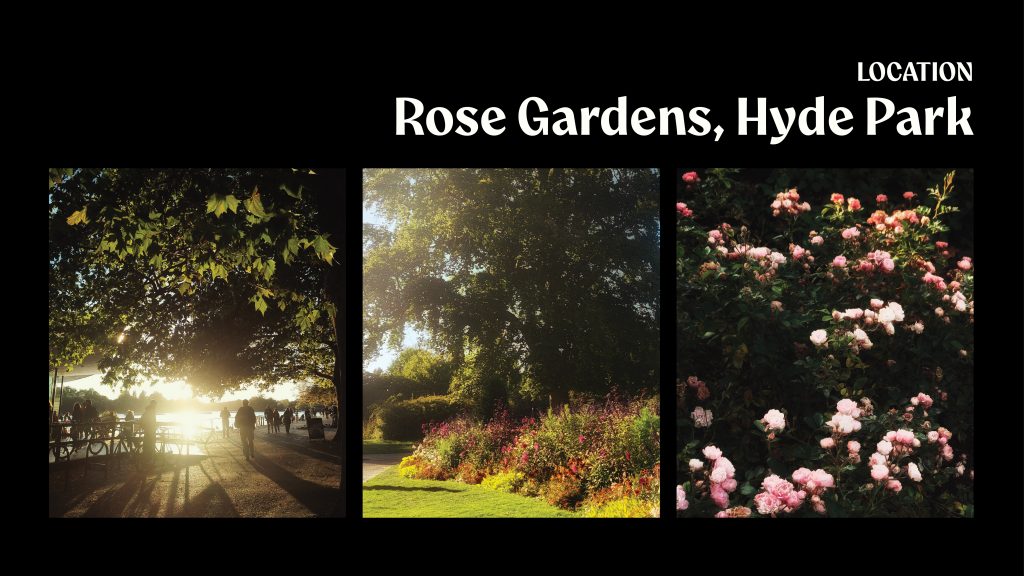
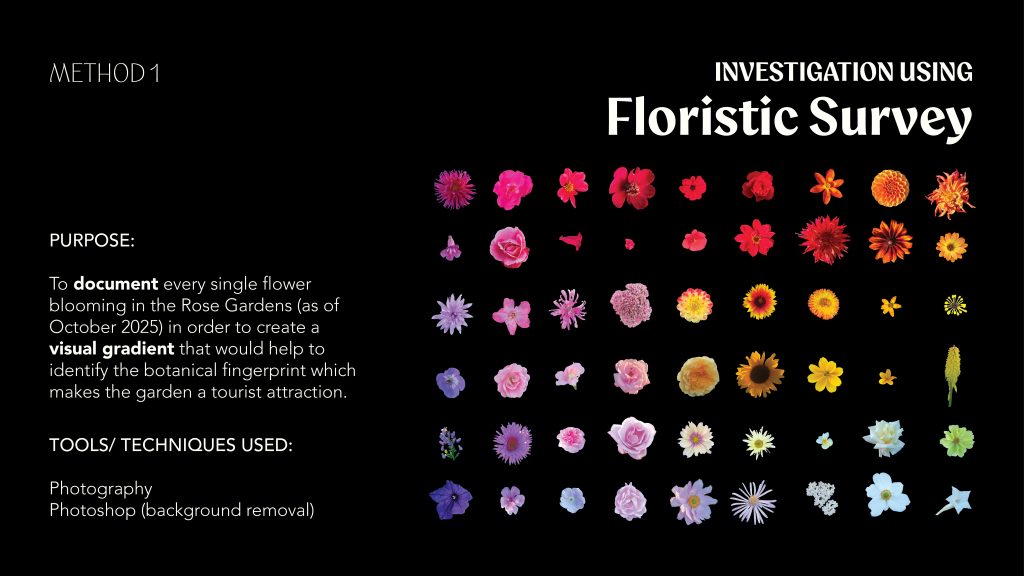
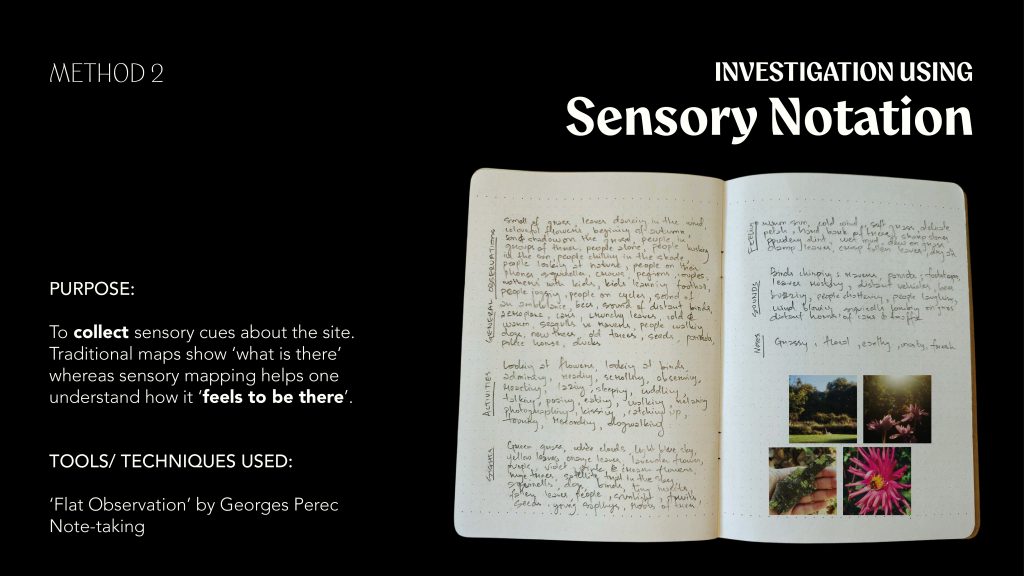
My research was guided by multiple days of naturalistic and covert observations that not only provided me with key discoveries about my location: The Rose Gardens at Hyde Park 3, but also guided me to gradually localise my study to one specific Elm tree that piqued my interest. In the beginning, I observed the role of an ‘information gatherer’ who was primarily invested in collecting multi-sensorial cues from her immediate surroundings. Perec, through examples of practical exercises, in his essay on ‘The Street’ also emphasises on the importance of flat observation and note-making in gathering critical insights about a location or an object.
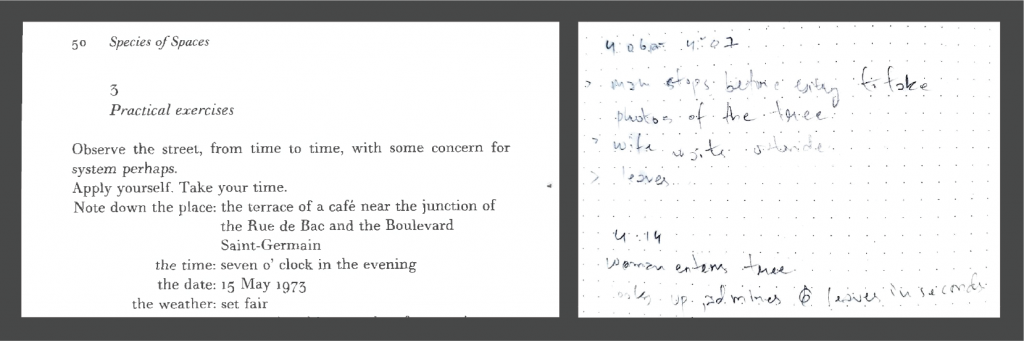
As the study progressed, my focus evolved from being an ‘information gatherer’ to an ‘information seeker’. My judgement of people’s behaviour patterns played a key role in the insights that I gathered from this phase. I questioned why people were, like me, drawn towards this particular tree that became the subject of my study. This runs parallel to the suggestion made by Perec to decipher one’s surroundings and question patterns and anomalies. This allowed me to accumulate a speculative map on the different paths of desires that would have led one to this tree. Perec’s work, thus, not only informed but guided the foundational processes of my investigative study.
As I dug deeper into seeking answers to the many questions I had about the tree, I found myself becoming invasive. The tree’s canopy created a private cocoon in a public park and by being inside the tree I felt like the tree had an unsaid ‘space’ for only one group, couple or individual at a time. I felt like a spy, documenting the movement of people and the conversations they had aloud. I began to question my role as an observer and felt the need to take a step back to allow the natural flow of events under the tree. Calle’s work mirrors this tension, that I experienced, between curiosity and intrusion. Her idea of research gradually assuming the role of surveillance closely relates to the thematic concerns of my project. I tried to emulate this feeling through interactions in my project output by inviting the reader to be invasive for a few moments and look beyond what they can see on a surface level.


As I stood back and looked at the Elm tree, I realised that I was not the only observer there. The tree itself has been an observer for ages, collecting stories wound in time that only the tree knows of. The tree became the observer that I, myself, ‘desired’ to be. I was merely a vessel through which the tree was able to share some of it’s whispers with the world.
Citations: